
Coins are being reinvented with digital features, unconventional materials, and advanced minting. From QR codes to microchips and polymer coatings, the future of physical currency is being shaped by innovation and changing consumer habits
Coins are no longer just metal discs stamped with a denomination-they are rapidly becoming showcases for technological ambition and material experimentation. The latest commemorative issues are embedding QR codes, microchips, and even breaking the boundaries of traditional shapes, signaling a fundamental shift in what physical money can be.
In 2011, the Royal Dutch Mint set a precedent by releasing a commemorative coin featuring a QR code at its center. This was not a mere novelty: scanning the code redirected collectors to a dedicated page on the Mint's website, merging the tactile world of coins with the digital realm. The innovation was recognized with the 2013 Coin of the Year Award for Most Innovative Coin, and since then, the integration of digital features has only accelerated.
Materials Beyond Metal
For centuries, coins have been struck from precious metals like gold and silver, later shifting to copper-nickel alloys for everyday use. But the definition of a coin's material is now up for debate. Experiments have ranged from glass pennies to polymer-coated euros, and public imagination has gone further-Numismatic News readers recently suggested everything from rubies and sapphires to actual meteorite fragments as potential coin materials. While practicality limits some of these ideas, the trend toward sustainability and durability is pushing mints to consider plastics and advanced composites for future circulation.
Some countries have already issued coins with unconventional alloys. Austria's silver-niobium and Kazakhstan's silver-tantalum commemoratives demonstrate that the appetite for new materials is not just theoretical. As cashless payments rise, the prospect of fully polymer or hybrid coins entering daily use is no longer far-fetched.
Digital Features and Smartminting
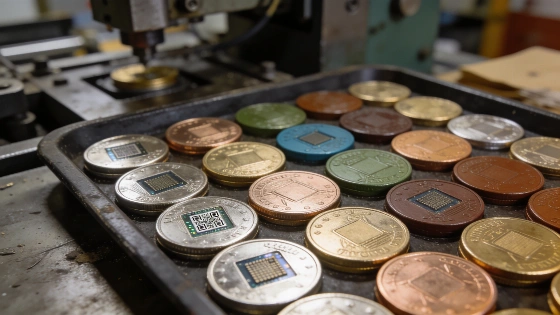
The digital transformation of coins is not limited to QR codes. The Monnaie de Paris has produced coins embedded with microchips, with the 2024 edition earning the Most Innovative Coin award in 2025. These chips can store authentication data or link to digital content, blurring the line between physical and virtual currency.
Minting technology itself is evolving at a rapid pace. CIT's Smartminting® process, now in its fourth generation, enables the creation of coins with unprecedented relief and detail. The Grand Canyon - Topography coin, for example, features a low-relief design that breaks through the traditional collar, challenging the very definition of a coin's edge and surface. Laser engraving and digital modeling have replaced much of the manual die work, allowing for intricate designs and effects such as glow-in-the-dark finishes or even coins that appear to float.
From Collector's Item to Everyday Change
While many of these innovations have debuted in non-circulating legal tender (NCLT) commemoratives, the gap between collector's items and everyday coins is narrowing. As production costs fall and consumer expectations shift, features once reserved for special editions-like color effects, digital links, or advanced materials-are likely to appear in pocket change. The 2011 Dutch QR coin and the Monnaie de Paris microchip issues are early signals of this transition.
Recent years have seen a surge in experimental coin releases, with mints worldwide competing for the Coin of the Year Awards. The launch of Smartminting® 4.0 with the Iron Knight coin and the proliferation of pop-culture themed issues, such as Star Trek Coins: A Collector's Guide to the Galaxy's Most Fascinating Numismatic Issues, reflect a market that rewards novelty and technical achievement. As reported earlier, even the US Mint is leveraging major events to connect coinage with broader cultural moments.
According to data from the World Money Fair and Coin of the Year Awards, the number of coins featuring digital or unconventional material elements has doubled since 2015. In 2025 alone, over 30 mints submitted coins with embedded technology or non-traditional materials for international recognition, underscoring the pace of change in the industry.
What Defines a Coin in the Digital Age?
The transformation of coins is not just about aesthetics or novelty. As physical cash faces competition from digital payments, mints are under pressure to justify the continued existence of coins. By integrating technology and experimenting with materials, they are making coins harder to counterfeit, more durable, and in some cases, interactive. The result is a new generation of currency that serves both as a medium of exchange and a platform for innovation.
For collectors and everyday users alike, the next decade will likely bring coins that are lighter, smarter, and more visually striking than anything in circulation today. The challenge for mints will be to balance cost, security, and usability while responding to the evolving demands of both the payments industry and the public.
Coin design and production have always reflected the priorities and capabilities of their era. Today, the convergence of digital technology, advanced materials, and creative minting is redefining what coins can be. Whether these innovations will make physical currency more relevant or simply accelerate its transformation into a collectible artifact remains an open question, but the experimentation underway is reshaping the boundaries of numismatics and everyday money alike.
Modern coin production relies on a combination of traditional minting and digital innovation. Laser engraving allows for precise, repeatable designs, while digital modeling ensures that even the smallest details are captured before a die is ever cut. The use of polymers and hybrid materials can extend the lifespan of coins and reduce production costs, but also introduces new challenges for recycling and authentication. As mints continue to push the limits of what is possible, the definition of a coin may become as much about its embedded technology and material science as its face value or legal status.