
The Pound-to-Canadian Dollar rate is testing resistance after Canada-US trade negotiations broke down and new tariffs took effect, with markets now watching for Canadian retaliation and the next move in the currency pair
The Pound sterling to Canadian dollar exchange rate (GBP/CAD) is entering a critical week after the abrupt breakdown of trade negotiations between Ottawa and Washington. The collapse, which occurred late on Friday, triggered the immediate imposition of 50% tariffs on a range of Canadian exports to the United States. With Canada's official retaliation set for 8 September, the market is now recalibrating expectations for the currency pair, which has spent the past three weeks confined to a narrow trading range.
GBP/CAD closed last week at 1.87840, just below its 21-day moving average of 1.88152. This technical level, which has steadily declined since early August, now sits fractionally above a horizontal resistance at 1.88100-a barrier that has repeatedly halted upward moves in recent sessions. Meanwhile, support has consistently held at 1.87114, with Friday's low of 1.87422 stopping short of a decisive break lower. The relative strength index (RSI) stands at 45.52, indicating a mild downward bias, but the overall technical picture suggests that the prolonged range may be losing relevance as new trade risks emerge.
Trade Disruption Shifts Market Focus
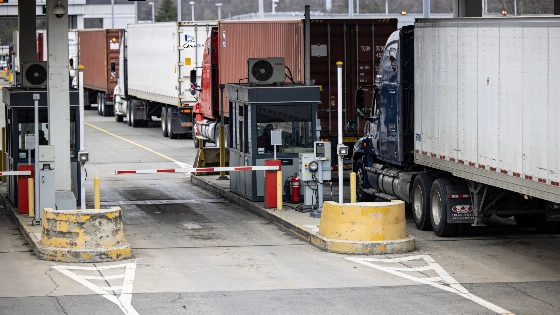
The imposition of US tariffs on approximately $20 billion of Canadian goods-including dairy, alcoholic beverages, cement, building materials, certain clothing, and hockey sticks-marks a significant escalation in trade tensions. According to official statements, Prime Minister Mark Carney described the outcome as a miscalculation and confirmed that Canada will match the US measures dollar for dollar, with retaliatory tariffs targeting steel, dairy, appliances, agricultural equipment, pulp and paper, and electronics from 8 September.
This reversal came after a brief pause in tariff implementation earlier in the week, when President Trump announced a three-day delay and suggested a deal had been reached. However, Ottawa ultimately rejected terms it considered uneconomic and unfair, while the US Trade Representative stated that Canada declined to finalize the agreement on previously agreed terms. The result is a live scenario in which the Canadian dollar faces renewed headwinds, particularly against the US dollar, and by extension, the Pound sterling.
Technical and Fundamental Drivers
For the GBP/CAD pair, the immediate question is whether the market will break above the 1.88100-1.88152 resistance band, which would open the path toward the 1.8900 area. A daily close below 1.87114 would instead expose the pair to further declines toward 1.8600 and potentially 1.83500. The medium-term trend remains supportive of the Pound, with the advance from March's 1.80 base still intact. The outcome of this week's trading will likely determine whether July's peak near 1.9040 comes back into view.
While the tariffs affect about 5% of Canadian exports and represent roughly 0.4% of GDP, according to RBC estimates, much of this risk had already been priced in over the summer. The Canadian dollar has also been supported by firm oil prices, which have helped offset some of the negative trade news. Nevertheless, the confirmation of tariffs and the looming retaliation date introduce fresh uncertainty, making the previous three-week range less relevant for traders and businesses monitoring cross-border payments and currency exposure.
Key Data and Market Implications
On Friday, GBP/CAD closed at 1.87840, remaining below the 21-day moving average of 1.88152 and the horizontal resistance at 1.88100. The RSI reading of 45.52 signals a slight downward tilt, but the technical setup suggests that a sustained move above resistance could trigger a larger shift, with the next target at 1.8900. Conversely, a close below 1.87114 would indicate renewed downside risk. The tariffs, covering $20 billion in goods, are set to be matched by Canadian measures from 8 September, adding a new layer of volatility to the currency pair.
For readers following other major currency pairs, the current GBP/CAD setup echoes recent developments in the Pound-to-Australian Dollar rate, where narrowing moves and upcoming data releases have kept markets on edge. For a closer look at how similar technical and policy factors can shape currency direction, see this analysis of the Pound's response to Australian inflation data.
Understanding Tariff Impacts on Currency Pairs
Tariffs are taxes imposed on imported goods, often used as a tool in trade disputes. When tariffs are introduced or increased, they can affect a country's currency by altering trade balances, business confidence, and economic growth prospects. In the case of Canada, the new US tariffs and Canada's planned retaliation are expected to weigh on the Canadian dollar by making exports less competitive and increasing uncertainty for exporters and importers. However, the actual impact on the GBP/CAD exchange rate will depend on how much of the risk is already reflected in market prices, the response of commodity markets-especially oil-and the broader global economic environment. For businesses and individuals involved in cross-border payments, these developments highlight the importance of monitoring both policy changes and technical market signals when managing currency exposure.