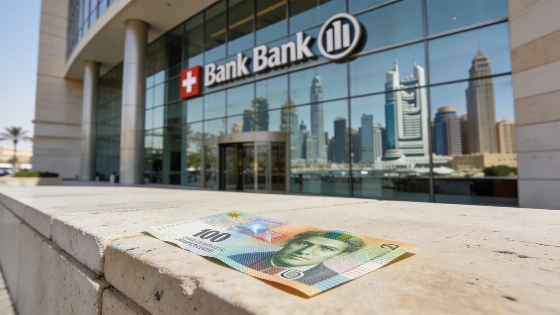
Emirates NBD is pitching Swiss franc green bonds, hinting at a new direction in sustainable funding and currency strategy for one of the UAE's top banks.
Emirates NBD has started marketing green bonds in Swiss francs. The bank is listed on the Dubai Financial Market. IFR, a fixed income news service, reported the move. But as of late September 2026, no major international source has confirmed this specific Swiss franc green bond marketing. Emirates NBD's recent public updates have focused on its role in UAE sustainable finance and local ESG projects. Details are on the Reuters company page. This gap shows how hard it is to verify cross-border bond deals right now. Regulatory checks are tight. Every detail matters.
Green bonds are debt sold to fund projects with environmental benefits. That includes renewable energy and energy efficiency. If Emirates NBD goes ahead with a Swiss franc issue, it would be tapping a market known for stability and a strong appetite for sustainable investments. The Swiss National Bank (SNB) has kept a cautious stance. Its policy rate now stands at 1.50%. The SNB is still working to control inflation and keep the franc from rising too fast. The CHF/EUR exchange rate has barely moved. The Swiss franc remains a safe bet when global markets get shaky. This is clear from the Swiss National Bank's official communications.
Swiss franc as a funding currency
The Swiss franc (CHF) is seen as a safe haven. Investors trust its stability and the SNB's conservative approach. For banks outside Switzerland, raising money in CHF opens doors to big institutional investors. Many of these investors want green or ESG-linked assets. The Swiss franc has become more attractive for global borrowers looking for low-cost funding. Central banks like the ECB and the Fed have slowed down on rate hikes. This has kept major currency pairs steady and boosted demand for CHF bonds.
Emirates NBD has not shared the size or terms of its planned green bond. If it chooses Swiss francs, it would join a trend among Middle Eastern banks. They want to diversify funding and reach global investors focused on sustainability. Emirates NBD's listing on the Dubai Financial Market shows its regional strength and access to global capital. Market data shows Emirates NBD shares are actively traded. Investors are watching the region's financial sector. See Investing.com for recent figures.
Facts and data
IFR's Monday report said Emirates NBD's green bond would be in Swiss francs. No amount, maturity, or coupon details have been released. The Swiss franc is one of the world's most stable currencies. The CHF/EUR rate has stayed in a tight range over the past year. Investors like Swiss franc bonds for their low volatility and the backing of a strong central bank. The SNB's meeting minutes and inflation outlooks are closely watched. Investors look for clues on future rates and currency moves.
Green bonds and market impact
Issuing green bonds in a foreign currency brings currency risk. Both the bank and investors face this, depending on the deal's structure and any hedging. For Emirates NBD, picking the Swiss franc could be a funding move and a way to show its global sustainable finance ambitions. Middle Eastern banks are stepping up in international green finance. They want to meet global ESG standards and attract new investors. Emirates NBD has already shown its ESG focus. It took part in the Masdar Green REIT, managing AED 949 million (about $258 million) in sustainable assets. More details are at GDN Online.
For investors, green bonds are a way to back environmental projects and hold stable, high-quality assets. The Swiss franc's safe reputation and the rising demand for sustainable investments make this move stand out in the cross-border bond market. The Bank for International Settlements (BIS) has tracked the fast growth of ESG-linked debt. Central banks and regulators now stress the need for transparency and strong reporting in green finance.
Banks and companies use green bonds to show environmental responsibility and reach new investors. The Swiss franc market is ready for this. It has the infrastructure and investor demand for ESG products. But borrowers must watch currency and interest rate risks, especially if the project's costs are in a different currency than the bond. SNB policy and inflation data, like the Swiss Consumer Price Index (CPI), shape the cost and appeal of CHF debt.
Green bonds must fund projects with clear environmental benefits. That includes renewable energy, clean transport, or sustainable water use. Issuers usually follow set frameworks and may get outside checks on their green claims. The Swiss franc's role in green bonds has grown as investors focus on sustainability. Issuers want new capital sources. For banks like Emirates NBD, this can boost their global profile and help the shift to greener finance. But it means meeting tough regulatory and market standards. So far, Emirates NBD has not made any public statement confirming the size, tenor, or pricing of a CHF green bond. Independent verification is still missing. See Reuters for updates.