
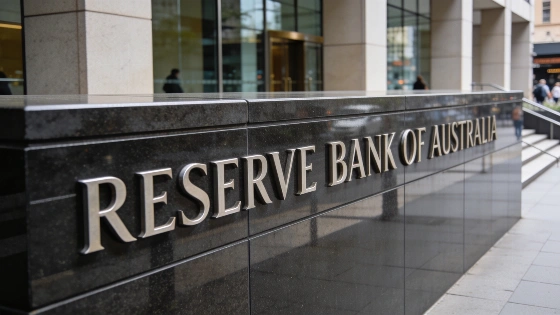
The Australian dollar has reached its strongest level since May, as higher-than-expected inflation data increases the likelihood of further Reserve Bank of Australia rate hikes and shifts market expectations for monetary policy
The Australian dollar advanced to its highest point in three months this week, as new inflation figures exceeded forecasts and prompted investors to reassess the outlook for Reserve Bank of Australia (RBA) policy. The AUD/USD exchange rate rose to $0.72, a level last seen in mid-May, and is set for a fifth consecutive weekly gain. This move reflects renewed speculation that the RBA may need to tighten monetary policy further to address persistent price pressures.
Australia's latest monthly consumer price index (CPI) data showed a 1.0% increase in July compared to June, outpacing the 0.8% rise anticipated by most economists. While annual headline inflation eased to 3.5% from 3.8%, the RBA's preferred trimmed mean measure accelerated to 3.6% year-on-year. These figures suggest that underlying inflation remains above the central bank's target range, reinforcing concerns that price growth is proving more resilient than previously expected.
Market Reaction and Policy Implications
The stronger inflation data led to a sharp adjustment in market expectations for RBA policy. The probability of a rate hike at the September meeting climbed to around 38%, up from 17% before the release of the CPI figures. While some analysts argue that a single data point may not be sufficient to trigger immediate action, the persistence of elevated inflation has increased the likelihood of further tightening later in the year. The RBA left its cash rate unchanged at 4.35% in August, following three increases earlier in 2026, but signaled that inflation remains too high and is not projected to return to the midpoint of its 2-3% target range until early 2028.
In the context of global currency movements, the Australian dollar's recent strength stands out. While many emerging market and developed currencies have experienced volatility amid shifting monetary policy signals, the AUD's performance has been supported by domestic economic data and changing expectations for RBA action. For comparison, a recent analysis of emerging market currencies highlights how policy signals and inflation risks are shaping currency trends worldwide.
Key Figures and Currency Performance
During the week, the AUD/USD pair gained approximately 0.4%, marking its fifth straight weekly advance. The trimmed mean CPI, which excludes volatile items and is closely watched by the RBA, rose 0.5% month-on-month in July. Market pricing now reflects a higher probability of a rate increase at upcoming RBA meetings, with the September decision in particular drawing close attention from analysts and investors. The central bank's current guidance suggests a cautious approach, but the persistence of above-target inflation may force a policy response if price pressures do not ease further.
For businesses and individuals with exposure to the Australian dollar, these developments have practical implications. A stronger AUD can affect the cost of imports, overseas travel, and international payments, while also influencing the competitiveness of Australian exports. The evolving policy outlook means that exchange rates may remain sensitive to further economic data releases and central bank communications in the coming months.
Understanding the RBA's Inflation Challenge
The Reserve Bank of Australia targets inflation within a 2-3% range over time, aiming to support sustainable economic growth and maintain purchasing power. Headline inflation measures the overall change in consumer prices, while the trimmed mean excludes the most volatile items to provide a clearer view of underlying trends. When inflation remains above target, central banks may raise policy rates to slow price growth, but must balance this against risks to employment and economic activity. The RBA's current challenge is to bring inflation back to target without triggering an unnecessary slowdown, a task complicated by global uncertainties and domestic cost pressures.