
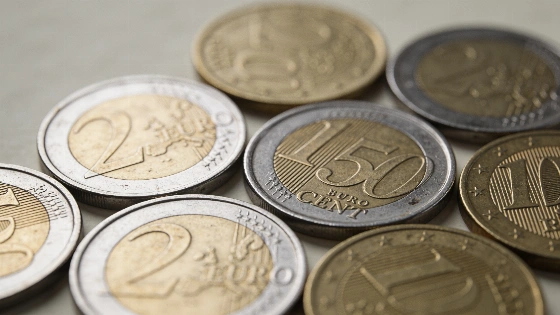
The 2026 Coin of the Year shortlist for Best Bi-Metallic features coins from ten countries, each using contrasting metals and distinctive designs to highlight national themes, technical advances, and commemorative events
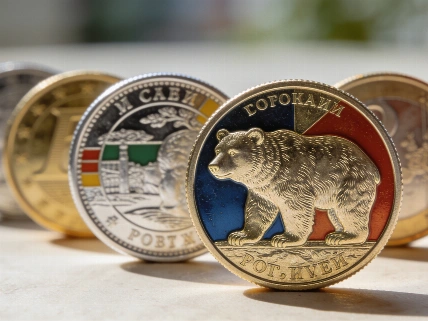
The 2026 Coin of the Year (COTY) awards have highlighted the Best Bi-Metallic category, drawing attention to coins that combine two distinct metals in a single piece. This approach, often seen in ring coinage where an outer ring and inner core are made from different alloys, allows mints to experiment with both visual contrast and technical innovation. The latest nominees reflect a wide range of themes, from wildlife and national parks to historical milestones and cultural symbols, according to Numismatic News.
Judges in the Best Bi-Metallic category assess coins for their overall artistic merit, commercial appeal, and the originality of their themes. While the definition of bi-metallic has broadened over time to include coins with struck-through inserts, the focus remains on pieces that use contrasting metals to create a distinctive appearance and tactile experience. Appliqué techniques, where a separate element is attached to the coin, are excluded from this category.
Global Nominees and Their Themes
Australia's entry, the Australian Wedge-tailed Eagle (KM 4956), is a 50 Australian dollar coin crafted from gold and silver. Designed by American engraver John M. Mercanti for The Perth Mint, this marks the tenth wedge-tailed eagle motif in the series, continuing a tradition of wildlife-themed bi-metallic coins.
Austria's Digitalisation (KM 3394) coin, valued at 25 euros, uses a silver-niobium combination. The Austrian Mint has a strong track record in this category, with its silver-niobium coins frequently recognized for their technical and visual innovation. However, as more mints adopt advanced techniques, competition for the top spot has intensified.
Belgium's Spa-Francorchamps Circuit 2 euro coin, produced by the Royal Mint of Belgium and the Royal Dutch Mint, commemorates 75 years of Formula 1 racing at the iconic circuit. The design is minimalist, focusing on the circuit's outline, but stands out for its clarity and recognizability.
China's nominee, the Hainan Tropical Rainforest National Park coin (KM 2907), is a 10 yuan piece made from brass and copper alloy. Issued by Shanghai Mint Co., it features a rainforest landscape with Hainan gibbons, Wuzhi Mountain, Wanquan River, and the Hainan peacock-pheasant, rendered in a style inspired by traditional Chinese painting.
Finland's Finland-Sweden Athletics International 100 Years (KM 318) is a 2 euro coin using cupronickel and brass. Minted by the Royal Dutch Mint, it depicts two legs in motion, symbolizing a century of athletic competition between the two countries.
France's Leo - Astrology (KM 3481) 5 euro coin, issued by Monnaie de Paris, is made from base metals. The design features the zodiac wheel around the rim and a prominent lion's head, appealing to collectors interested in astrological themes.
Kazakhstan's MYSYRLQ TANYM (Egyptian View) - Ideas of Creation (KM 635) is a 2,000 tenge coin combining silver and tantalum. Produced by the Kazakhstan Mint, it blends Egyptian mythology with modern technological motifs, pushing the boundaries of what is typically considered ring coinage.
Luxembourg's Schuman Declaration, 75 Years (KM 199), is a bi-metallic coin minted by the Royal Dutch Mint. It marks the anniversary of the Schuman Plan, a foundational moment in European integration and Franco-German reconciliation.
Switzerland's Confederatio (Helvetia) (KM 215) 10 franc coin, issued by Swiss Mint, features the national personification of Switzerland, Helvetia, wearing a laurel wreath and looking upward. The bi-metallic structure reinforces the coin's status as both a circulating and commemorative piece.
The United Kingdom's George Orwell (KM 2854) 2 pound coin, produced by the British Royal Mint, honors the author's legacy. The reverse references "Big Brother is Watching You" from 1984, making it a notable example of literary commemoration in modern coinage.
Technical and Artistic Trends
Bi-metallic coins have become a platform for both technical experimentation and artistic expression. The use of metals such as niobium, tantalum, and various alloys allows mints to achieve color contrasts and durability not possible with single-metal coins. These innovations are not only aesthetic but also serve practical purposes, such as improving anti-counterfeiting measures and extending the lifespan of circulating coins.
According to Numismatic News, the popularity of bi-metallic coins among collectors and issuing authorities has grown steadily. The category's expansion reflects broader trends in the coin industry, where advances in metallurgy and minting technology enable more complex and visually striking designs. However, as more mints enter the field, the standards for artistic and technical excellence continue to rise.
Facts and Data
Bi-metallic coins have been part of modern currency systems since the 1980s, with the first widely circulated example being Italy's 500 lire coin in 1982. Today, the eurozone's 1 and 2 euro coins, as well as the United Kingdom's 2 pound coin, are among the most recognized bi-metallic coins in daily use. The COTY awards, established in 1984, now receive nominations from over 40 countries each year, with bi-metallic coins representing a growing share of commemorative and circulating issues.
Bi-metallic coins are valued for their resistance to counterfeiting, as the combination of metals and the complexity of the minting process make unauthorized reproduction more difficult. This security feature, along with the ability to highlight national symbols and events, has contributed to their adoption by central banks and mints worldwide.
While collector demand for bi-metallic coins remains strong, their production costs are typically higher than for single-metal coins, especially when using precious metals or advanced alloys. As a result, many bi-metallic issues are produced in limited quantities or as part of commemorative programs rather than for general circulation.
Bi-metallic coinage represents a convergence of artistry, technology, and monetary policy. The process of bonding two metals-often with different physical and chemical properties-requires specialized equipment and expertise. This complexity not only enhances the coin's visual appeal but also serves as a deterrent to counterfeiting. As mints continue to innovate, bi-metallic coins are likely to remain at the forefront of both commemorative and circulating currency design, reflecting the evolving priorities of issuing authorities and the interests of collectors worldwide.